Gene Conroy-Jones
Startup journey across investment banks, academia, and seven startups from seed to Series B.
Passion for building
I've always had a keen interest in building software. At Christmas 1982, I received an Atari 400 and a tape deck. Armed with a monthly issue of Computer & Video Games, my parents and I would type in the games using the archaic flat keyboard and save them to tape. The first game we entered was SSSnakes, a Tron Light Cycle game, a pattern we repeated over many months and years: pair programming, one reading, the other typing the game, learning to code and debug. My thirst to create was born. Without the internet, I began a search for books on how to code, and within a year I was programming my own games on my Atari 400.
This love of learning has always been with me and naturally drew me toward science and technology, and also business. My immediate and extended family has always been entrepreneurial; growing a business is close to my heart, and knowing the time and effort people put into making a business succeed is deeply meaningful. Like programming, growing something from nothing is deeply rewarding. I spent many days at my dad's haulage firm and in the cab, learning from the sidelines.

Civil Engineering Research & PhD delivered on time
With a background in programming, a deep interest in math and physics, and an entrepreneurial mindset, choosing Civil Engineering for university seemed natural: an applied science that embodied all my interests and would let me use software engineering in an academic environment. There weren't many people at university with a computer, but my Atari 520ST and dot matrix printer allowed me to optimize my lab write-ups.
After my bachelor's degree I was offered the opportunity to do an experimental PhD in High Strength Concrete, working closely with the UK's Building Research Establishment. As the first person in my family history to go to university, I found this opportunity deeply meaningful. I was a little daunted by a three-year project into the unknown, but also excited to solve a large puzzle and publish my work afterwards.
I published my work in the Magazine of Concrete Research, a leading journal in the field. Those years honed my problem-solving toolkit, taught me the rigor of objectivity and the ability to debate ideas openly. I completed on time: six years, two degrees. It was time to get a job and put my passion for software engineering to work, and I found one in London.
Academic Highlights
Forward Deployed in Investment Banks
My first eight years in software were spent in the banks and fintech firms of London: Morgan Stanley, WestLB, Strategic Thought; and Iceland: Mens Mentis and Landsbankinn. I arrived for Y2K, and automated testing was a big part of my early career. I spent many years writing automated test harnesses to test mission-critical banking systems, working with regulators against a hard deadline. That standard of quality at speed is built into everything I do.
I worked as a Forward Deployed Engineer embedded in many different teams, observing how they worked and leveraging the tech stack to reduce risk and increase operational efficiency. Sound familiar? Sitting with the customer, observing their workflows, identifying problems, building a POC, and iterating until it worked. My startup craft was growing and I was doing something I deeply enjoyed: delivering customer impact with technology. I built automated testing suites, business process tooling, and portfolio management and cash-flow operational tools, all prototyped as MVPs, then productionized. It's the same loop I run today: understand the pain, ship something fast, refine based on feedback. With the internet and cloud taking off, my interests shifted to building in the cloud.
Banking & FinTech
Startup Journey (so far)
TM Forum - Telecommunications
2006–2011Senior Software Engineer
TM Forum is a global industry association of 800+ telecommunications organizations and service providers. It runs on a collaborative platform and is managed with many typical startup business tools.
- Internal SaaS Apps: Lead engineer for many key internal SaaS products including: CMS, CRM, Accounting, Reporting, Event Management and Email Marketing.
- API Gateway: Migrated many internal tools to the cloud, building the infrastructure to monitor and maintain these API gateways.
- Email Marketing: Built an email marketing system (think Mailchimp) to enable marketing teams to create, test and schedule marketing emails to different segmented cohorts.
Growth: Having built many SaaS applications internally, I was set up for success on my startup journey. I had solved many issues which would make my future product engineering more successful.
Startups
Evergage - Marketing Tech SaaS
2011–2015Senior Software Engineer
Evergage was a marketing tech platform, think Pendo or Amplitude before they existed: a real-time analytics and personalization system. The product was acquired by Salesforce and became core to their Salesforce Marketing Cloud.
- Prototype to MVP: Led the UI re-architecture, transforming a rough prototype into pixel-perfect designs to help capture early-stage customers, built in full-stack Java.
- Segmentation: Built rule-engine to allow user segmentation for personalized campaigns. Integrated into real-time data processing pipeline.
- A/B Testing: Developed an A/B testing feature to test marketing campaigns with your audience. Created campaign module and analytics.
Growth: Successful shift from a Microsoft to an open-source stack, with full-stack Java using Google Web Toolkit on the front end, then a move to Angular on my advice when GWT stalled. Learned how to iteratively deliver fully working features focused on customer outcomes.
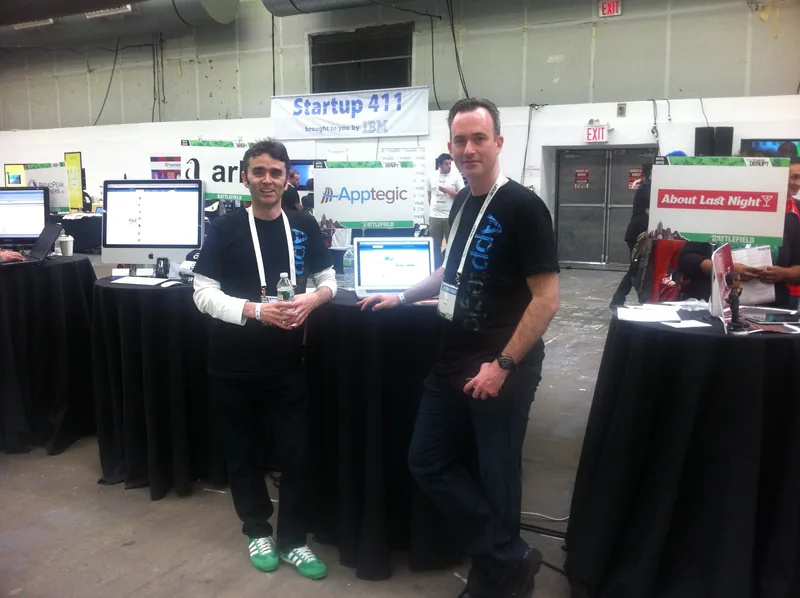
Switchboard Software - AI Big Data Ops
2015–2020Senior Software Engineer
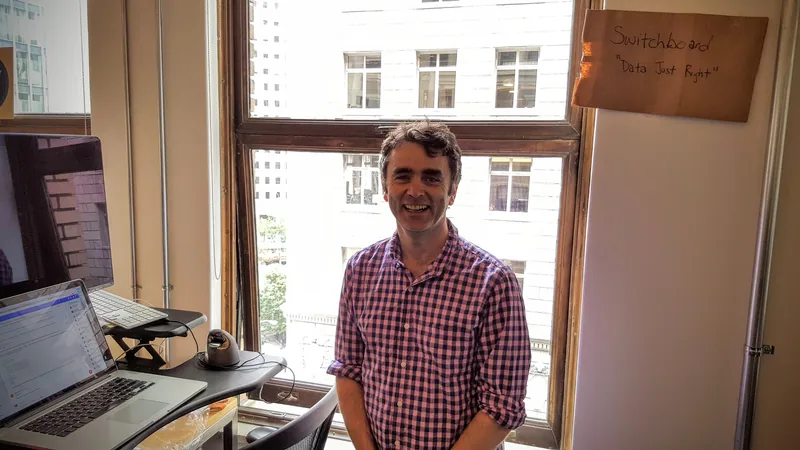
Switchboard Software is the data operations platform putting the power of Big Data in the hands of enterprise users for revenue optimization and AI data foundations. The platform is built by people who had launched BigQuery at Google.
- Prototype to MVP: Led two key migrations from prototype to production within the first three months, followed by an iterative migration from Angular to React with zero customer disruption.
- 50 Data Connectors: Delivered over 50 data API connectors to extract and normalize data from Ad Tech platforms used by The Guardian, New York Times, Pinterest and Spotify teams.
- Email Ingestion: Built an AWS serverless event-driven email document ingestion feature to onboard a new customer.
- Automated Testing & CI/CD: A small team of under 10 was responsible for key real-time revenue data for these publishers. With excellent contributions to automated testing, manual QA was not required and we released iteratively and quickly.
Growth: This experience honed my skills in data engineering and in building strong, modern CI/CD and data foundations.
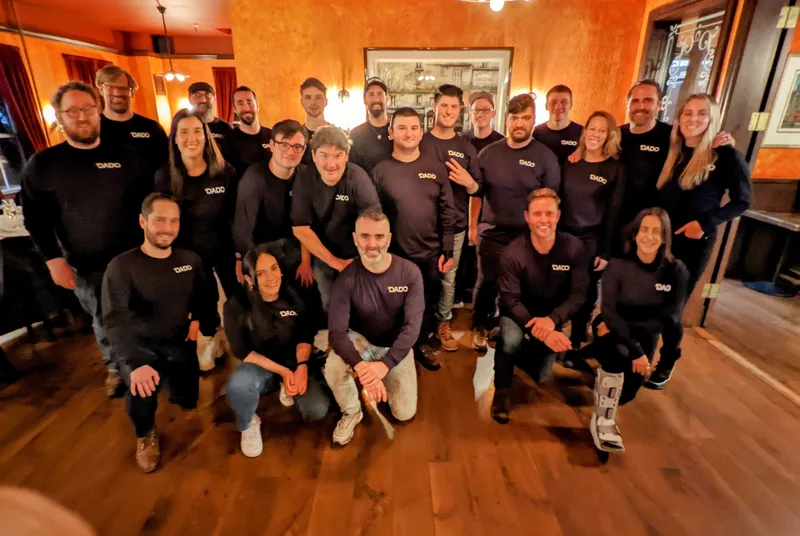
DADO - Google Search for Construction Docs
2020–2022Senior Director of Engineering
DADO was the Google Search for your construction docs. Connect your data sources and we ingest your PDFs, split them up, OCR, image scan and version them, giving you a searchable library of related documents.
- Cloud Sync: After our third-party document sync library was acquired and shut down, we built an in-house version on tight deadlines, hooking into construction and tech document stores. Without it our product would have been next to useless. Through many late nights we replaced it, retaining essential customers.
- Plans-to-Spreadsheet Engine: Built a templating engine which converted construction plans into spreadsheet-style views. Using OCR and smart areas, we provided a definitive data view of your construction docs. It required an intuitive UI/UX and back-end processing, and was a key feature to address customer pain and make document search definitive.
- GraphDB: Architected and built a performant document graph on AWS Neptune, with Athena for analytics, linking related construction documents and cutting processing for the largest customers from an hour to under 10 seconds, supporting high-throughput production systems.
- Technical Lead: Hired to add technical seniority to the team, I was instrumental in many key features, eventually leading engineering and ushering the company through acquisition. Managed 18 engineers across three products, planning features with product using the Shape Up methodology.
Growth: Strong player-coach territory: coding daily, shaping process and mentoring teams. Super rewarding to build great features with the team.
OurHive - Smart Home Inventory App
2023–2024Startup CTO
OurHive is a Smart Home Inventory App. Take a picture or scan a box barcode, and the app auto-organizes your household items, appliances and key documents and enriches them with useful info.
- AI RAG Pipeline Architecture: Built a performant Applied AI RAG data pipeline using AWS managed services for vision, labeling, text extraction and transcription. Data used to identify physical home assets from user photos and barcodes, automatically querying and fetching relevant technical documentation. A good use of AI to solve real problems for homeowners.
- Prototype to MVP: Validated the tech early with a barebones MVP to establish project feasibility.
- Founding CTO: Built a multidisciplinary team from scratch in the US and Ukraine.
- AWS Cloud Architect: Built a serverless backend on AWS, using a GraphQL layer and single-table design principles on DynamoDB. Automated the iOS app pipeline from development through testing.
Growth: First real 0-to-1 play in validating an idea and growing a team. First Applied AI role to solve real product issues.
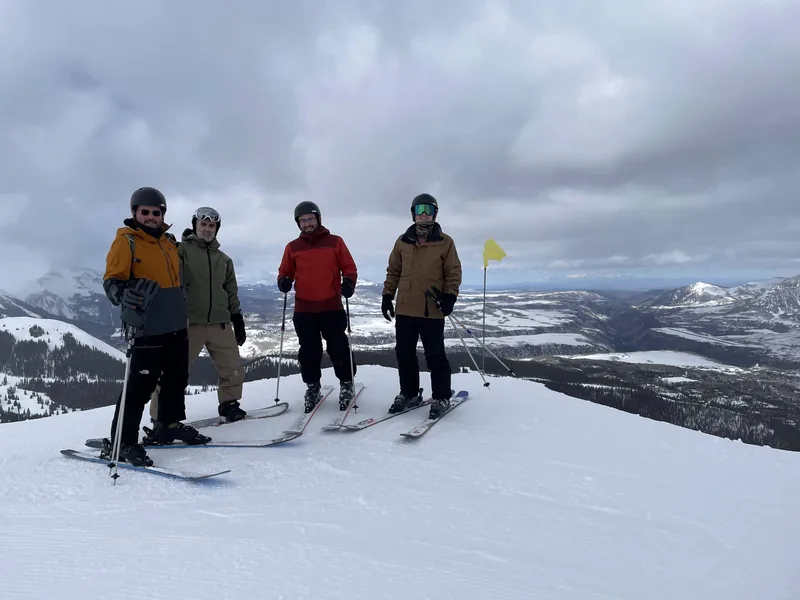
Stratus - Construction Fabrication ERP Management
2024–2026CTO
Stratus is an ERP platform for managing logistics in prefab construction, handling everything post-design: tracking how items get built, through the factory floor, to installation on site.
- Series B Funding: Joined pre-Series B ($35M) to help transform engineering culture, process, and architecture for an industry-leading construction tech platform. Successfully navigated investor diligence to secure growth.
- AI-first innovation culture: Drove transformation across product and engineering through experimentation, champion weeks, innovation days, training, lunch 'n' learns, and show 'n' tells. 80% of engineers using AI daily. Led by example prototyping use cases.
- Data-Driven: Diagnosed engineering health across people, process, and architecture using DORA-style metrics and quarterly developer experience surveys. Replaced gut-feel with data tracked weekly. Guided by Accelerate and DX frameworks, increased PR throughput by 35% year-over-year.
- Technical Leadership: Led modernization efforts toward twelve-factor principles, infrastructure as code, scaling, cost optimization and observability. The team was able to scale the platform while reducing costs by 25% and improving reliability.
- Team Growth: Scaled hiring across the US and LATAM and organized teams into autonomous pods, strengthening engineering leadership through blameless postmortems, egoless decision-making, team charters, and focused product planning. Autonomy allowed several teams to introduce features at the annual conference key to the CEO's growth strategy.
Growth: Personally a tremendous period of growth, and deeply satisfying to help modernize a team and shepherd them through the agentic revolution. The engineering team grew from around 20 to over 45 with revenue doubling year on year.
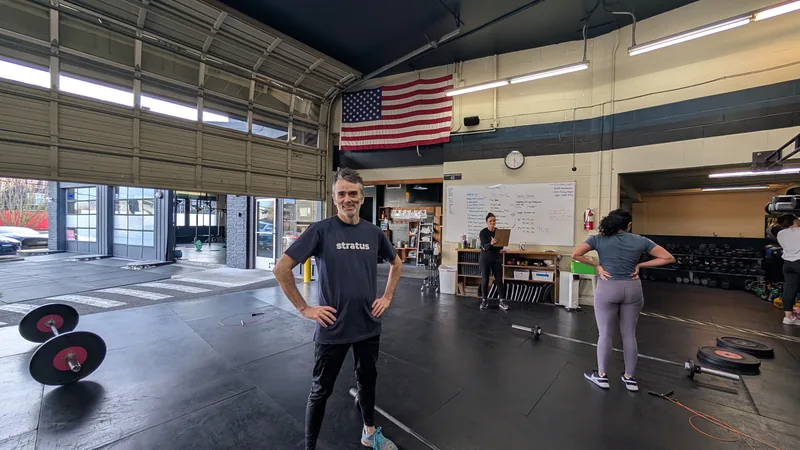
Four Signals - Agentic Harness R&D
2026–PresentApplied AI Builder & Startup CTO
Applied AI Builder: The last six months I have been coding daily building tools and harnesses to discover the future AIDLC.
- Hands-on R&D focused on multi-agent orchestration, investigating OpenClaw, Hermes, PaperClip and Gas City to identify a winning AI-native SDLC.
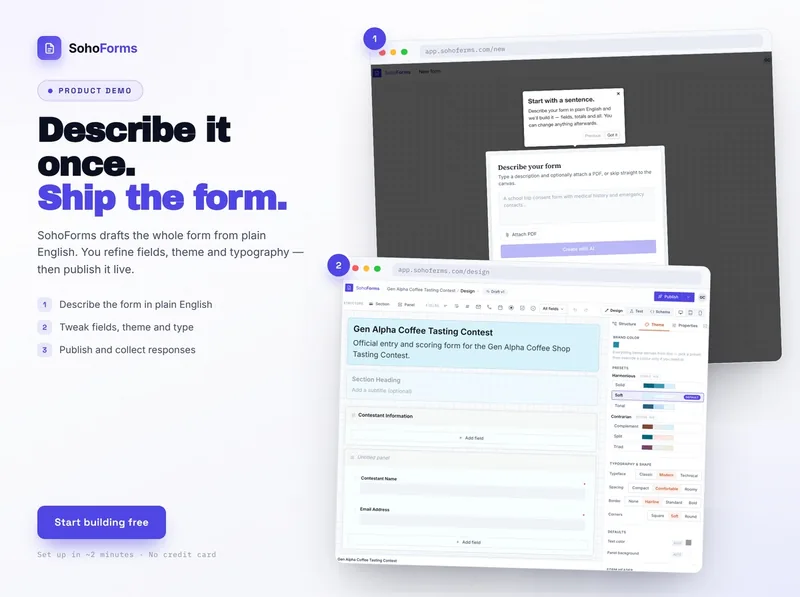
- Built a production-grade SaaS Forms App (think Jotform) in 4 weeks with the agentic harness. I estimate a team of five would have taken a year to build this pre-AI.
- Built high-performance tooling in Go and Rust to manage skills, DevEx and agentic workflows, ensuring deterministic behavior when running the SDLC.
Growth: Discovering the signal on the future of software engineering was an important goal. I have always focused on adding value at every step, and the productivity and opportunity in Applied AI make me excited for the future.
Q & A
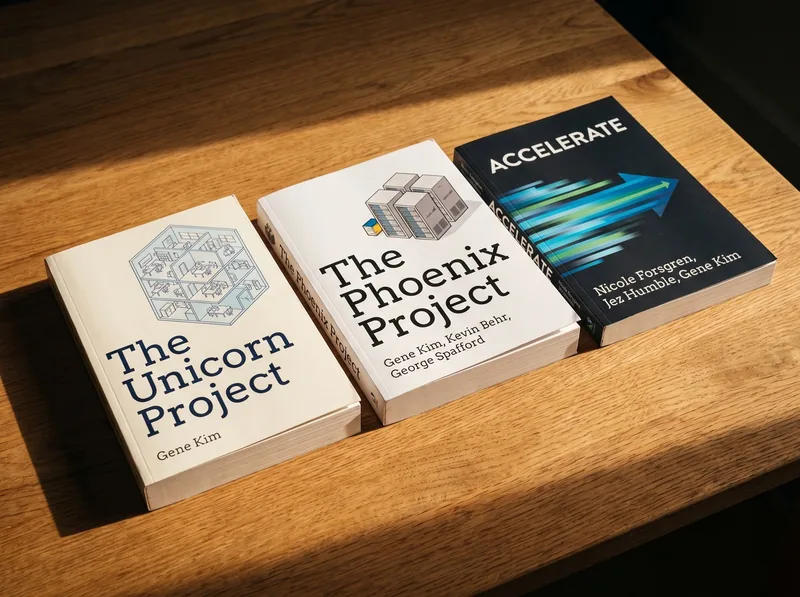
Why is your blog called Four Signals? Most challenges in modern technology come down to four key areas: People, Process, Architecture and Measure. Viewing how people work together as features move through the SDLC, examining the cost of change, talking one-to-one and using metrics will give you objective results to modernize any forward-thinking company. I have an open-minded, egoless attitude and work with curiosity. The objective answers are out there; you need to measure your team to find them and answer your most pressing issues. The book Accelerate defines better than I could what modern tech company excellence looks like. Strongly recommend, along with The Phoenix Project and The Unicorn Project.
Where is the Seventh Startup? I only count six - where is the seventh? I have worked with many startups. I love talking tech, hearing about the challenges and successes. The seventh startup is my placeholder for all those ambitious builders I have been lucky enough to work with.